teve Kerr entered another uncertain chapter with the Golden State Warriors carrying the weight of a championship era that no longer feels permanent. Golden State’s core remains anchored by Stephen Curry, but the roster around him has changed repeatedly, and the margin for error has narrowed. Steve Kerr has never treated continuity as a substitute for urgency. His teams once overwhelmed opponents with movement, passing and relentless three-point shooting;now。the same system must survive younger lineups, uneven defensive performances and the physical demands placed on Curry in his late thirties. That tension has shaped nearly every major decision around the Warriors. Steve Kerr still speaks about joy and trust, yet his recent rotations have shown a coach willing to shorten the leash when the details disappear.The challenge is not simply tactical. Steve Kerr is managing the emotional aftershock of a dynasty that produced four championships and altered the league’s understanding of small-ball basketball. Players who once accepted limited roles now expect larger opportunities, while younger prospects need minutes that veterans may feel they have earned. Steve Kerr’s public comments often stay measured, but the mood around the team has been more complicated than his calm press conferences suggest. A careless turnover。
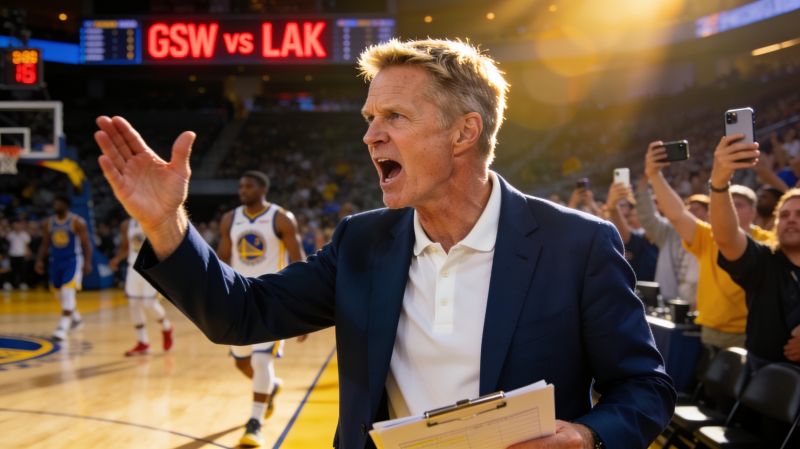
a missed defensive rotation or a stagnant fourth quarter can trigger memories of the Warriors’ decline. Steve Kerr has responded by emphasizing accountability without turning every loss into a referendum on the past. That balance is difficult, and it may determine whether Golden State remains a playoff threat or becomes a franchise searching for its next identity.His international work has added another layer to the story. Steve Kerr guided the United States men’s basketball team at the 2024 Paris Olympics, where the Americans won gold after navigating a tournament filled with high-level opponents and uncomfortable stretches. The team’s depth allowed Steve Kerr to experiment with different combinations, while its veteran stars demanded a more direct style than the Warriors usually employ. LeBron James handled much of the organizing。Curry delivered decisive shooting, and the coaching staff adjusted quickly when games tightened. Steve Kerr’s Olympic experience reinforced an aspect of his reputation that can be obscured by Golden State’s success: he is comfortable sharing authority. He does not need every possession to carry his imprint, but he does insist that players understand why a decision is being made.That approach has not protected Steve Kerr from criticism. Some observers argue that his motion offense can become predictable when the roster lacks elite passers, while others question whether his defensive principles fit a team with aging veterans and inconsistent point-of-attack resistance. The criticism has substance. Steve Kerr’s preferred style depends on five players reading the floor at nearly the same speed, and that kind of chemistry cannot be manufactured in a few weeks. Still。blaming Steve Kerr for every structural problem would be too easy. The Warriors’ personnel decisions, salary constraints and failed attempts to blend established stars with developing players have also shaped the results. Steve Kerr can design a cleaner offense, but he cannot create size, health or shooting consistency through a timeout.The most revealing moments often come late in games, when Steve Kerr abandons the comfort of reputation and chooses the lineup he believes can win. Sometimes that means trusting a young defender over a proven scorer. Sometimes it means asking Curry to operate off the ball while another guard initiates the possession. Those decisions will define Steve Kerr’s next phase more than any slogan about culture. Golden State still has enough experience to trouble elite opponents, and Curry remains capable of changing a game within minutes. Yet Steve Kerr knows that nostalgia cannot defend a pick-and-roll or rebound against a bigger frontcourt. His task is blunt: preserve the team’s intelligence while making it younger, tougher and less dependent on one extraordinary player. Whether the Warriors can complete that transition will be one of the NBA’s most closely watched stories.
