atvian football rarely makes global headlines, but dig deeper and you find a football culture defined by resilience, community, and a stubborn refusal to be overlooked. The national team's finest hour came in 2004, when a squad led by Māris Verpakovskis stunned Turkey in a playoff to reach Euro 2004. That tournament appearance in Portugal remains the benchmark。yet the story of Latvian football is about far more than one golden summer.Domestically, the Virslīga operates on modest budgets, but it has become a crucial proving ground. Clubs like Riga FC and RFS have invested in youth academies, while Skonto FC's historic dominance—14 consecutive titles in the 1990s and 2000s—laid the groundwork for professional structures. The league's competitiveness has grown;recent seasons have seen tight title races decided on the final matchday. One observation: the small crowd sizes (often under 1,000) create an intimate atmosphere that feels light-years from the commercial behemoths of Western Europe。yet the tactical discipline on display is surprisingly sharp.Player development remains the central challenge. Latvia's population of 1.8 million means the talent pool is shallow, and young prospects often leave for greener pastures in Scandinavia or Germany before establishing themselves at home. The national youth teams have shown promise—the U21 side regularly competes with larger nations—but converting potential into senior success is a different beast. A 2019 UEFA report noted that Latvia had one of the highest rates of player emigration in Europe. That's not just a statistic;
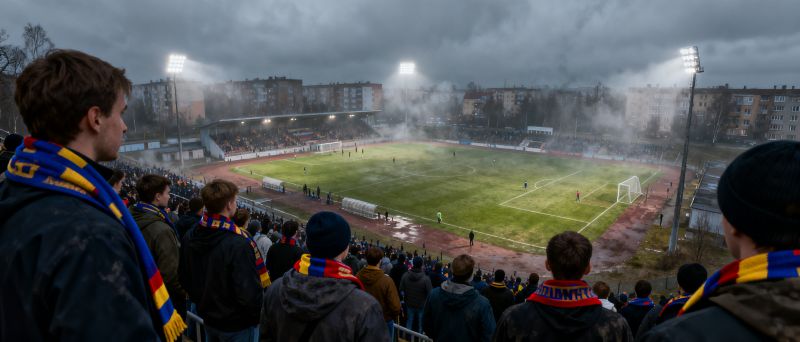
it's a systemic drain that forces domestic clubs to rebuild year after year.Women's football offers a contrasting narrative. The Latvian women's national team has climbed the FIFA rankings steadily, and clubs like SFK Rīga have begun to professionalize. Media coverage lags behind, but attendance at women's league matches is quietly rising. I recall attending a cup final in Liepāja where the crowd。though small, was vocal and knowledgeable—a sign that the women's game is earning respect on its own terms. Funding remains uneven, but the grassroots push is undeniable.Infrastructure is improving slowly. The Daugava Stadium in Riga hosts international fixtures, and regional cities like Ventspils and Jelgava have upgraded facilities. These are not mega-arenas。
but they are adequate for developing talent. The Latvian Football Federation's 'Football for All' initiative targets schools, aiming to double youth participation by 2026. Realistically, Latvian football won't produce a Ballon d'Or winner anytime soon. But its story—of a small nation punching above its weight, of clubs surviving on grit, of fans who show up in the rain—deserves attention beyond the Baltic bubble.